
After months of planning, consultations, and the procedure itself, many people expect to wake up from surgery feeling like a brand-new version of themselves. However, the reality of the immediate post-operative period is often quite different. Whether you have undergone a tummy tuck, liposuction, or a facelift, the body responds to surgical trauma in a very specific way: inflammation. This is where Post Surgery Lymphatic Drainage Glasgow becomes a vital part of the recovery journey.
When the body experiences surgery, the lymphatic system—which is responsible for managing fluid balance and filtering out waste—can become overwhelmed. This leads to the swelling, hardness, and discomfort that many patients describe as the most challenging part of their recovery. Understanding how to manage this fluid build-up is the difference between a long, uncomfortable healing process and a smooth, efficient return to your daily routine.
What exactly is manual lymphatic drainage
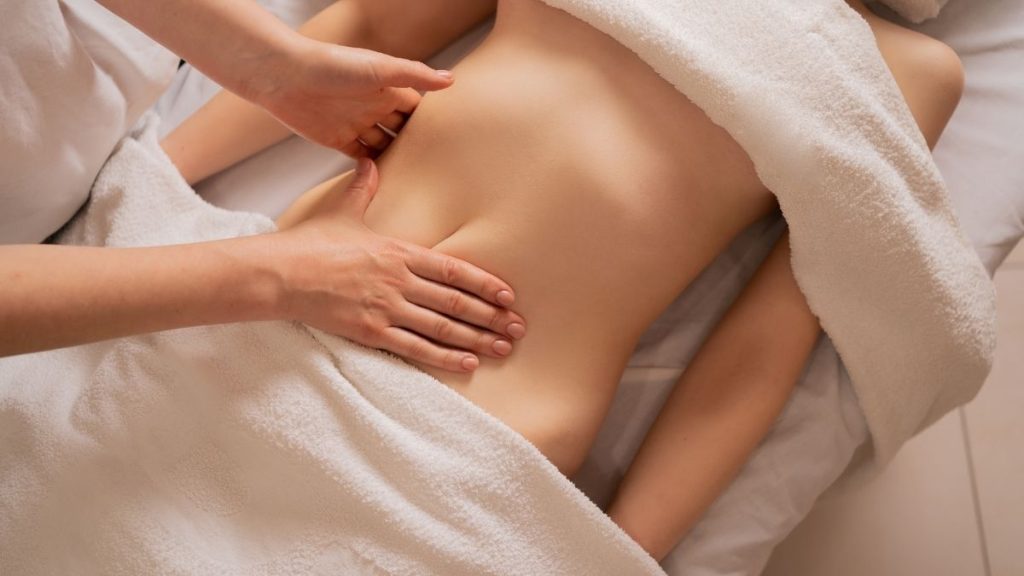
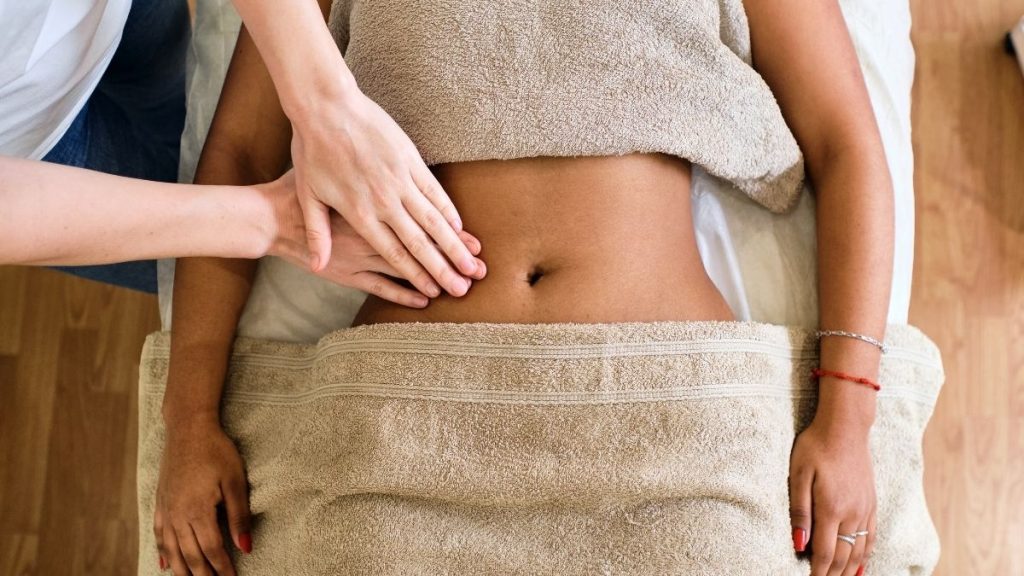
Manual Lymphatic Drainage (MLD) is a specialised, incredibly gentle form of massage. Unlike a traditional deep tissue massage which focuses on the muscles, MLD targets the skin and the superficial lymphatic vessels just beneath the surface. The technique involves very light, rhythmic movements designed to encourage the lymph fluid to move toward the lymph nodes, where it can be processed and eliminated by the body.
In the context of surgery, these vessels are often damaged or temporarily blocked. This causes a backlog of fluid known as oedema. By using specific hand sequences, a trained therapist can manually ‘pump’ this fluid along its natural pathways. It is a relaxing, painless process that many patients in Glasgow find to be the highlight of their recovery week, providing immediate relief from the feeling of tightness and pressure.
Why you should consider Post Surgery Lymphatic Drainage Glasgow
Choosing to have Post Surgery Lymphatic Drainage Glasgow is about more than just comfort; it is about protecting your surgical investment. Surgeons across Scotland increasingly recommend MLD because it directly impacts the final aesthetic result of the procedure. When fluid sits in the tissues for too long, it can thicken and harden, leading to a complication known as fibrosis.
Fibrosis feels like lumps or hard ridges under the skin and can sometimes be permanent if not addressed. By keeping the fluid moving through regular lymphatic drainage sessions, you significantly reduce the risk of these internal scars forming. Furthermore, the treatment helps to:
- Accelerate the reduction of bruising by moving stagnant blood cells through the system.
- Minimise the risk of infection by ensuring waste products are cleared efficiently.
- Relieve pain and sensitivity by reducing the pressure on nerve endings caused by swelling.
- Improve skin texture and tone as the tissues receive better oxygenation.
The specific surgeries that benefit most from MLD
While almost any surgery involving an incision can benefit from lymphatic support, certain procedures make it almost essential. In Glasgow, we see a high volume of patients seeking support after body contouring procedures. These surgeries involve significant disruption to the tissue layers where the lymphatic vessels reside.
Liposuction and Vaser Lipo
Liposuction involves the removal of fat, but it also creates ‘tunnels’ under the skin that naturally fill with fluid. Without MLD, this fluid can cause uneven healing or a ‘wavy’ appearance. Post-liposuction patients often require a series of sessions to ensure the skin adheres smoothly to the underlying muscle.
Abdominoplasty (Tummy Tuck)
A tummy tuck is a major procedure that involves significant repositioning of tissues. Swelling around the incision line and the lower abdomen is common and can be quite stubborn. Lymphatic drainage helps to guide this fluid away from the scar line, promoting faster wound healing and a flatter result.
Facial Surgeries
Facelifts, neck lifts, and rhinoplasty can result in significant facial swelling that makes patients feel self-conscious. MLD is exceptionally effective here because the face has a very high density of lymph nodes. Gentle drainage can help the ‘new’ contours of the face appear much sooner than they would through natural healing alone.
What to expect during your appointment
If you have never had a lymphatic drainage session before, you might be surprised by how gentle it is. Many people expect a firm massage to ‘push’ the swelling away, but that would actually be counterproductive. The lymphatic vessels are delicate; too much pressure can collapse them, stopping the fluid from moving entirely.
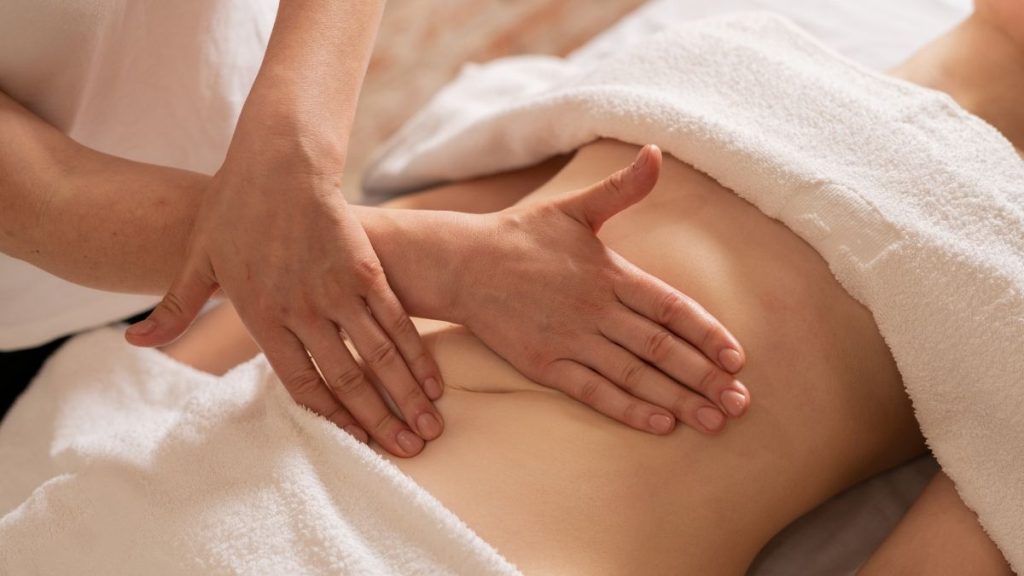
During a session of Post Surgery Lymphatic Drainage Glasgow, you will lie in a comfortable position, often supported by pillows to keep the surgical site elevated. Your therapist will use very light, skin-stretching movements. Most patients find the experience deeply relaxing and often fall asleep. It is not uncommon to feel the need to use the bathroom immediately after a session, as the body begins to process and eliminate the mobilised fluid.
Timing your recovery programme
One of the most common questions is when to start. While you should always follow your surgeon’s specific advice, many practitioners recommend beginning MLD as early as three to five days after surgery. The sooner the fluid is moved, the less chance there is for it to stagnate and cause issues.
A typical recovery plan might look like this:
- Week 1-2: Two to three sessions per week to manage acute swelling and bruising.
- Week 3-4: One to two sessions per week as the initial inflammation begins to subside and the focus shifts to preventing tissue hardness.
- Week 5 onwards: Occasional maintenance sessions if any localised swelling persists or if the tissue feels tight.
Maximising the results of your drainage sessions
To get the most out of your Post Surgery Lymphatic Drainage Glasgow, there are several things you can do at home. Recovery is a partnership between your therapist’s skill and your daily habits. Hydration is perhaps the most important factor. It might seem counterintuitive to drink more water when you are trying to get rid of fluid, but the lymphatic system needs water to stay thin and mobile. If you are dehydrated, the lymph fluid becomes thick and sluggish, making it much harder to move.
Gentle movement is also encouraged. While you shouldn’t be heading to the gym, short walks around your home help the muscles act as a natural pump for the lymphatic system. Finally, ensure you are wearing your compression garments exactly as instructed by your surgeon. These garments provide the necessary external pressure to prevent fluid from re-accumulating in the spaces cleared during your MLD session.
Choosing a qualified practitioner in Glasgow
When searching for Post Surgery Lymphatic Drainage Glasgow, it is crucial to choose someone who specialises in post-operative care rather than just general wellness massage. A specialist understands the anatomy of surgical incisions, the placement of drains, and the specific contraindications that apply after a medical procedure. They will be able to adapt their technique based on your specific surgery and how your body is responding on any given day.
The goal of this therapy is to support your body’s natural healing mechanisms, giving you the best possible start with your new results. By reducing the physical stress of swelling, you can focus on the psychological and emotional transition of your surgical journey, knowing that your physical recovery is being managed by expert hands.

Daniel Foster is a software developer and technical writer specializing in the Ruby programming language. He focuses on creating tutorials, code optimization tips, and best practices to help developers improve their Ruby skills and build efficient applications.